


Are Trip Hazards on Your Palm Beach County Property Putting Guests at Risk?
Most property owners think liability is someone else's problem. Until it's not. A cracked walkway doesn't look like much — until someone catches a toe and goes down hard. Then it's medical bills, legal threats, and a whole lot of explaining. The truth is, trip hazards don't announce themselves. They sit there quietly, waiting for the wrong step at the wrong time.
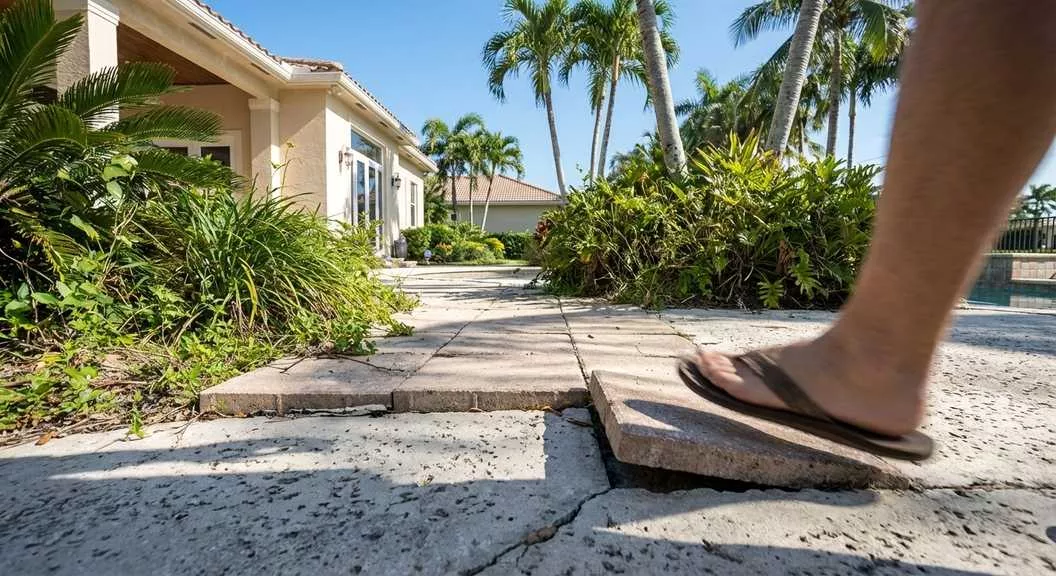
Palm Beach County properties are beautiful. Lush landscaping, outdoor living spaces, pool decks that stretch into the sunset. But all that beauty comes with maintenance demands. And when you skip the upkeep, those charming pathways and sun-soaked patios turn into liability traps. The question isn't whether hazards exist — it's whether you've spotted them before someone else does the hard way.
What Counts as a Hazard and What Doesn't
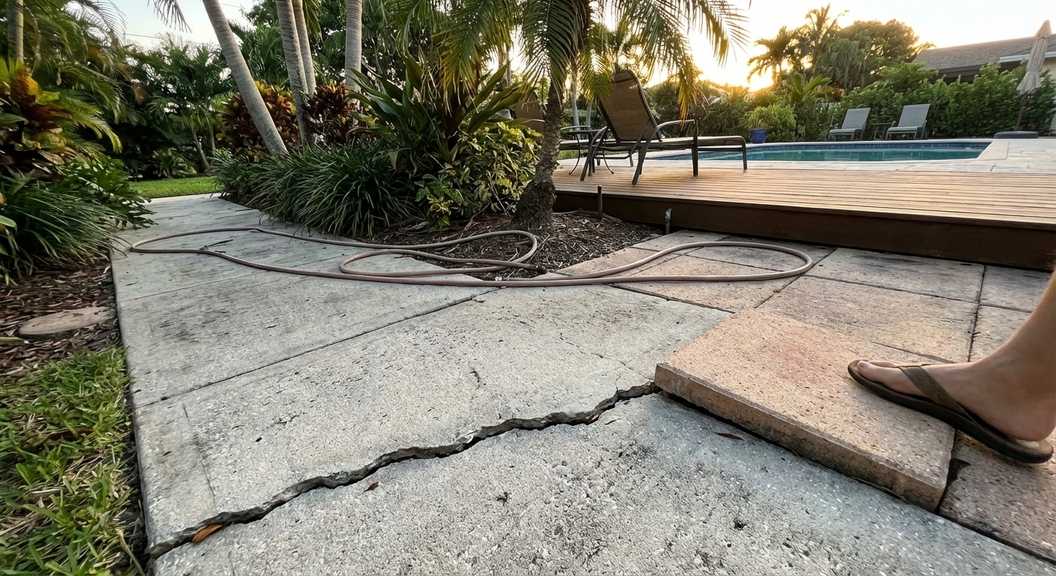
A trip hazard is anything that disrupts a walking surface enough to catch someone off guard. We're talking uneven pavement, lifted tiles, roots breaking through concrete, garden hoses snaking across walkways. It's not always dramatic. Sometimes it's just a quarter-inch lip between two slabs. But that's enough.
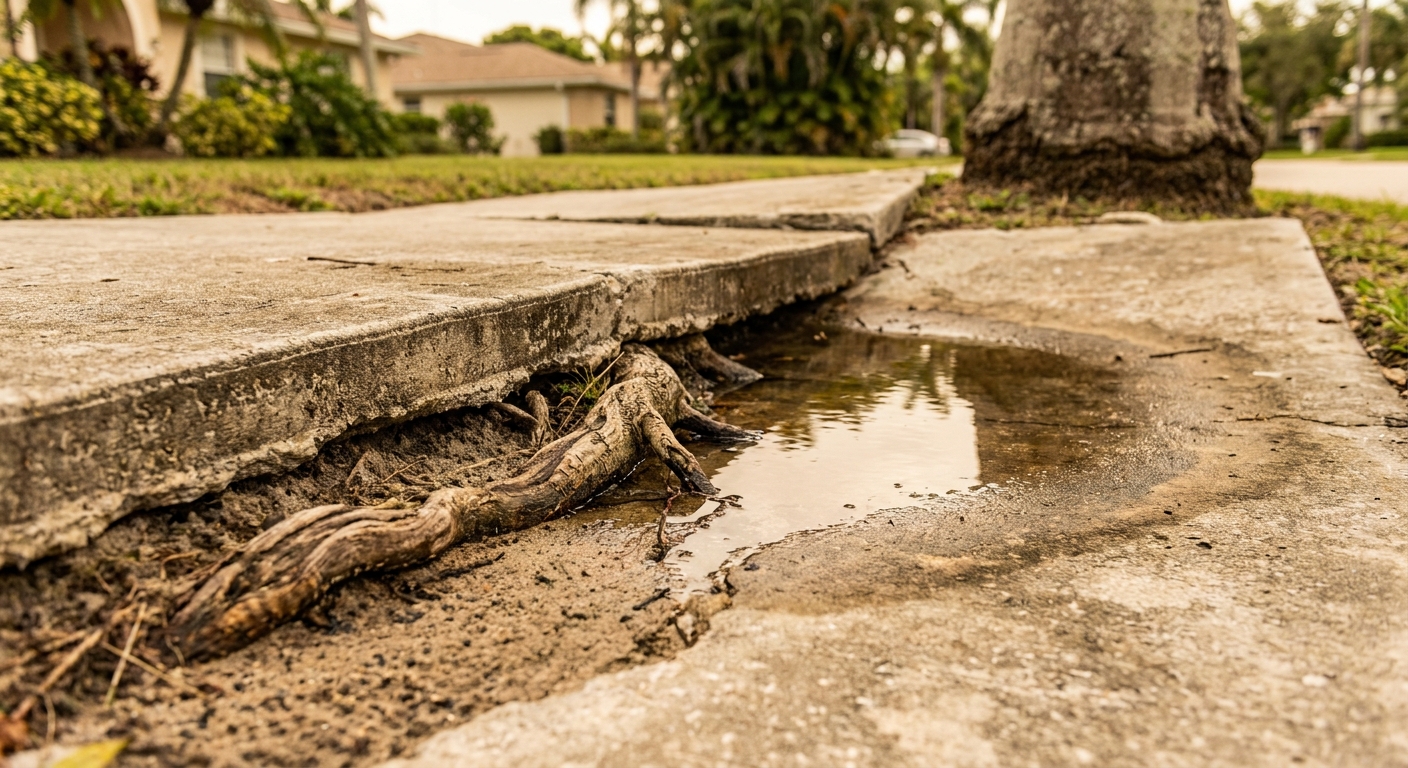
South Florida's climate accelerates the problem. Heat, humidity, and relentless rain break down materials faster than you'd expect. Concrete shifts. Pavers settle. Tree roots push up from below. What looked fine six months ago might be a lawsuit waiting to happen today. And if you're hosting guests — whether it's family, clients, or tenants — you're the one on the hook when something goes wrong.
The Cost of Looking the Other Way
Premises liability laws in Palm Beach County are clear. Property owners must keep their spaces reasonably safe. If someone gets hurt because you ignored a known problem, you're exposed. Medical expenses, legal fees, settlements — it adds up fast. And if the injury is serious, you could be looking at punitive damages on top of everything else.
But it's not just about money. There's the personal side too. No one wants to be the reason someone's grandmother ends up in the ER. Or the business owner whose customer takes a fall and never comes back. Fixing hazards isn't just smart risk management — it's basic decency. And it's a lot cheaper than dealing with the fallout after the fact.
Where Hazards Hide on Your Property
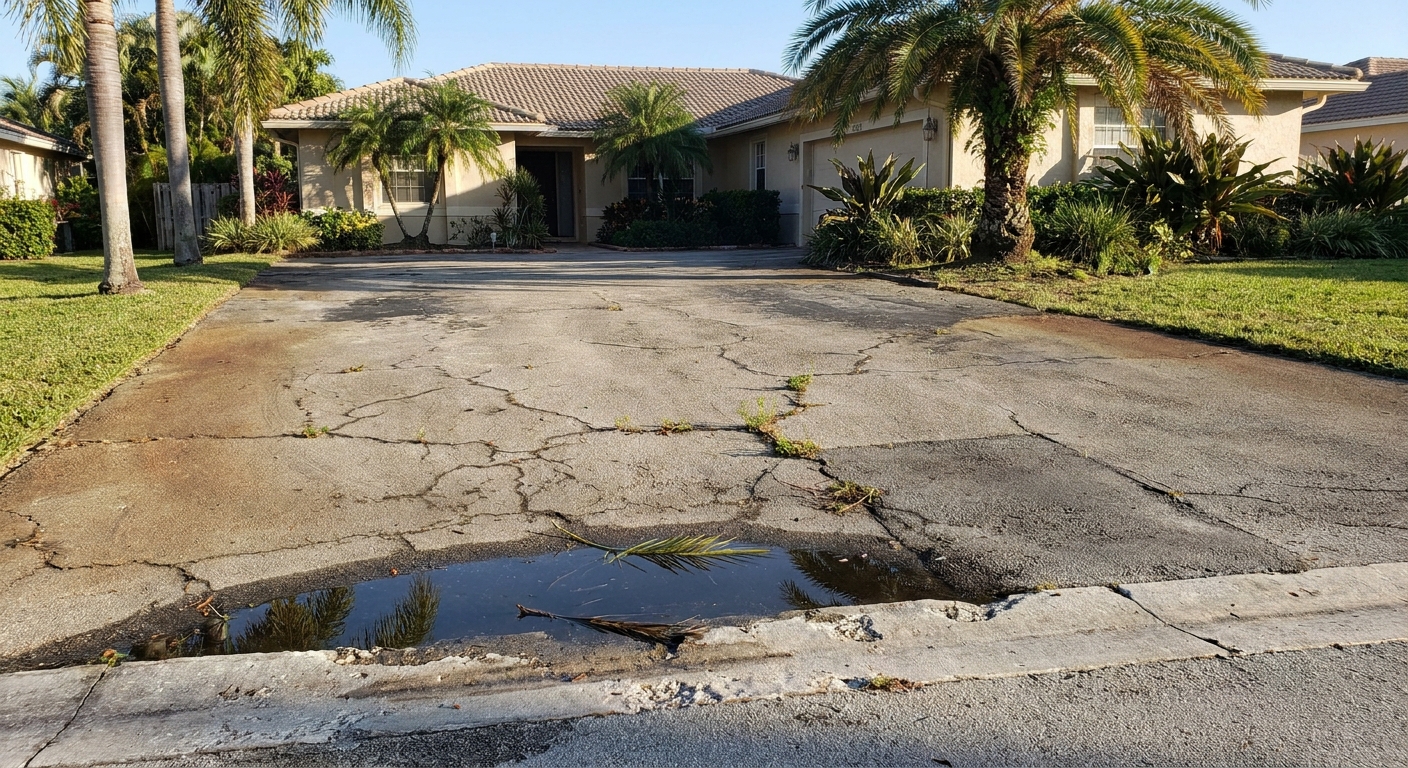
- Sidewalks and Driveways: Shifting soil and invasive roots create uneven slabs that catch feet without warning.
- Pool Decks and Patios: Pavers loosen over time, especially in high-traffic areas near water.
- Garden Paths: Decorative stones and mulch can shift, and overgrown plants narrow walkways into obstacle courses.
- Entryways and Steps: Worn edges, loose railings, and poor lighting turn routine arrivals into risky moments.
- Service Areas: Side yards and back entrances often get neglected, but delivery drivers and contractors use them too.
Spotting Problems Before They Spot You
Walk your property like you're seeing it for the first time. Take the same routes your guests take. Look for changes in elevation, loose materials, spots where water pools. Don't just check the front entrance — hit the side gates, the pool area, the driveway. Hazards love the places you don't think about.
Once you've found the trouble spots, fix them. Patch cracks, reset pavers, trim back roots, clear clutter. If the damage is extensive — say, a whole section of sidewalk lifted by a mature tree — bring in a contractor. Don't try to band-aid something that needs real repair. Half-measures just delay the inevitable and give you a false sense of security.
Lighting and Visibility Matter More Than You Think
A hazard you can see is easier to avoid. But when the sun goes down, even a well-maintained path can turn dangerous if it's poorly lit. Shadows hide edges. Dim bulbs make it hard to judge depth. And in Palm Beach County, where outdoor entertaining runs late, lighting isn't optional.
Install fixtures along walkways, near steps, and around pool decks. Use motion sensors in less-traveled areas so you're not wasting energy but still have coverage when someone passes through. And replace burnt-out bulbs immediately. A dark path is an invitation for trouble, and you won't get credit for good intentions when someone's already on the ground.
What the Law Expects from You
Florida premises liability law doesn't require perfection. It requires reasonable care. That means you need to know about hazards — or should have known — and take steps to fix them. If you've been walking past that cracked patio tile for six months, you can't claim ignorance when someone trips.
Document everything. Take photos of repairs. Keep receipts from contractors. If you conduct regular inspections, write down what you found and what you did about it. That paper trail matters if you ever end up in court. And make sure anyone you hire is licensed and insured. If their work causes an injury, you want them to carry some of the weight.
Insurance Covers Some of It, But Not All of It
- Homeowners Policies: Typically include liability coverage for slip and fall accidents, but negligence can void your claim.
- Commercial Policies: Cover business properties, but you'll need adequate limits if you have high foot traffic.
- Umbrella Coverage: Adds extra protection beyond your base policy, useful if you're hosting events or running a rental.
- Exclusions to Watch: Some policies won't cover injuries if you knew about the hazard and did nothing.
- Claims Process: Insurers will investigate, and if they find you were negligent, they may deny coverage or settle for less.
Maintenance Isn't a One-Time Job
Fixing hazards once doesn't mean you're done. Properties shift. Materials wear down. New problems crop up. You need a routine — monthly at minimum, more often if you have heavy use or extreme weather. Walk the grounds, check high-traffic areas, look for new cracks or settling.
Get your family, tenants, or staff involved. Encourage them to report anything that looks off. A loose paver today is a lawsuit tomorrow if no one says anything. And if you're managing a commercial property, make hazard checks part of your standard operating procedure. It's not glamorous, but it's the kind of boring diligence that keeps you out of trouble.
When to Bring in a Professional
- Extensive Concrete Damage: If multiple slabs are lifted or cracked, you need more than a DIY patch job.
- Root Intrusion: Tree roots under walkways require careful removal to avoid killing the tree or making things worse.
- Drainage Issues: Standing water is a hazard and a sign of bigger problems that need proper grading or drainage solutions.
- Structural Concerns: Steps, railings, and retaining walls that show signs of instability need professional assessment.
- Liability Exposure: If you're running a business or rental property, a professional inspection gives you documentation and peace of mind.
Creating a Culture of Safety
Addressing trip hazards isn't just about avoiding lawsuits. It's about building a space where people feel secure. Where they can walk without watching every step. Where you're not holding your breath every time someone crosses your driveway. That kind of environment doesn't happen by accident — it's the result of consistent attention and a refusal to let small problems become big ones.
Don't wait for an injury to force your hand. Make hazard prevention part of how you operate. Check your property regularly, fix what's broken, and keep records of what you've done. It's not exciting work, but it's the kind of smart, unglamorous effort that protects everyone who walks through your gate — and keeps you out of courtrooms and insurance nightmares down the line. For professional assistance with identifying and repairing trip hazards commonly found in Palm Beach County walkways, contact us today.
Let’s Make Your Property Safer Together
We all want our guests, family, and clients to feel confident every time they set foot on our property. If you’re ready to take the next step toward a safer, more welcoming space, let’s talk about how we can help. Give us a call at 561-436-5977 or request a quote and let’s get your trip hazards handled before they become a problem.
‹ Back
Recent Posts
-
How Much Does a New Concrete Driveway in Palm Beach County Cost?
September 15, 2026
-
Can Concrete Grinding Make Walkways in Palm Beach County Safer?
September 1, 2026
-

-
-
Why Does Concrete in Palm Beach County Become Uneven?
July 21, 2026