


Trip Hazards Commonly Found in Palm Beach County Walkways
Cracked, raised, and uneven walkways are everywhere in Palm Beach County. You see them in front of houses, at shopping centers, and along busy sidewalks. These rough spots trip people up, twist ankles, and lead to complaints. Property owners face real consequences if they let these hazards slide. The longer they wait, the worse it gets.
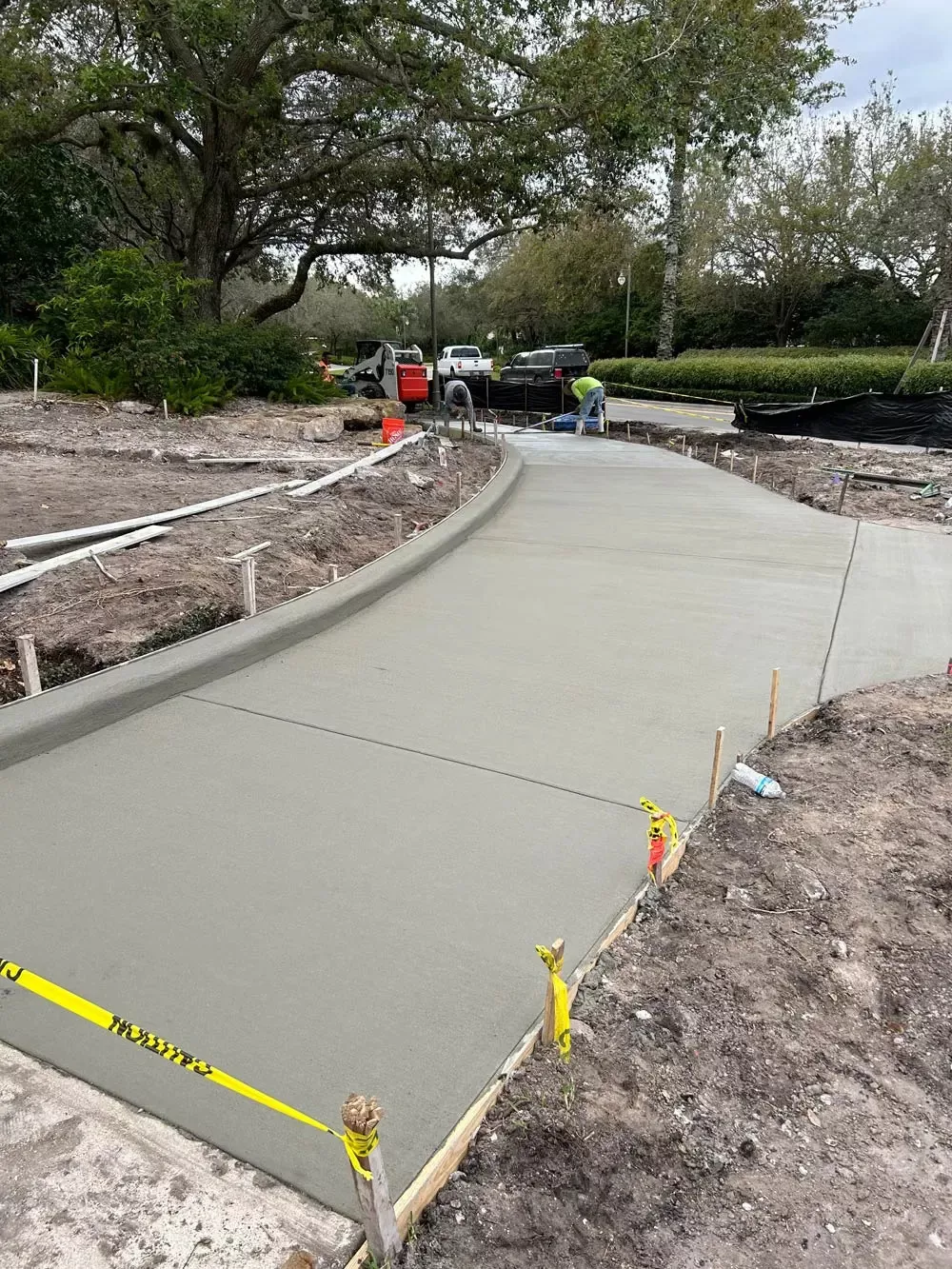
What Trip Hazards Look Like in Real Life
Trip hazards don’t hide. They show up in plain sight, but most people walk past them until someone gets hurt. Here’s what you’ll see again and again in Palm Beach County:
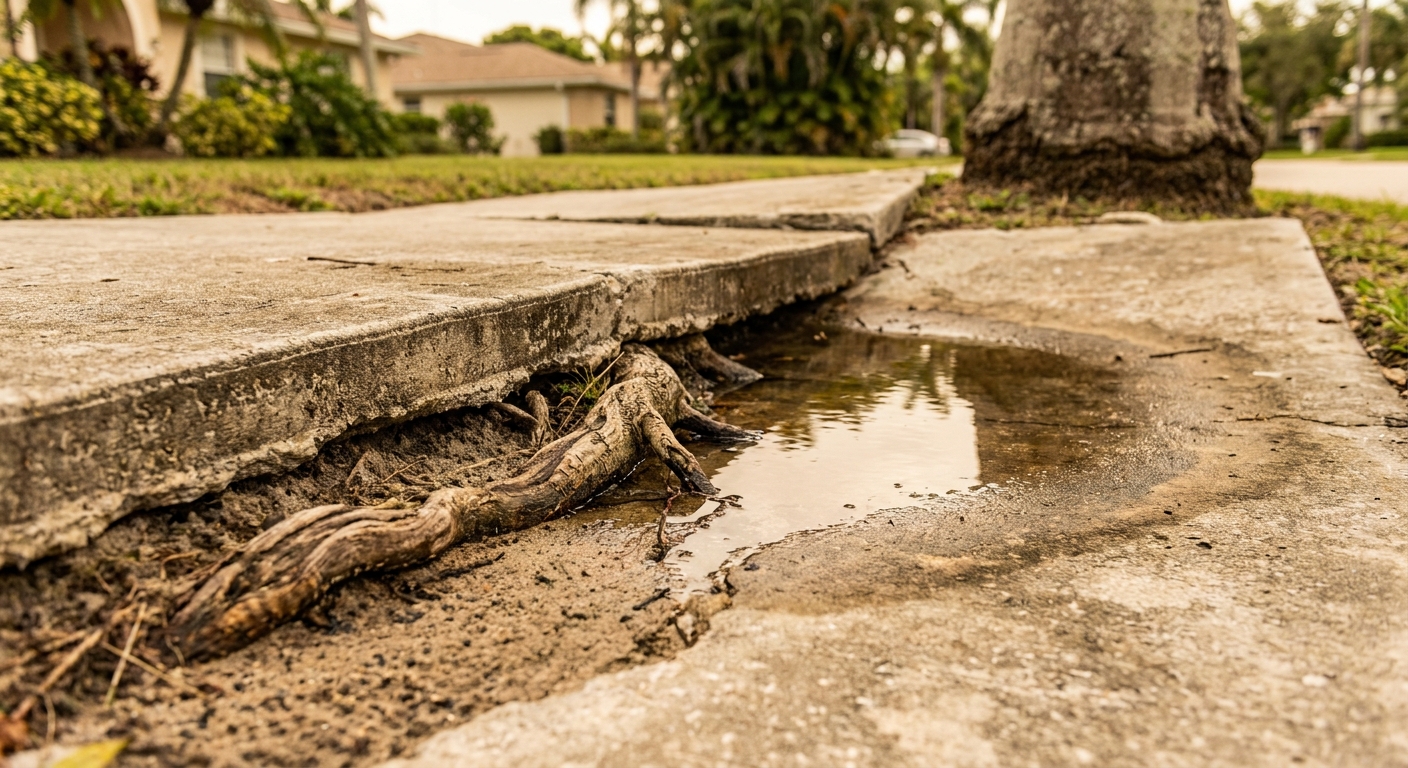
- Tree roots push up concrete, leaving sharp edges that catch shoes and wheels.
- Sunken spots form around pool decks and drains. Water pools. Algae grows. The surface turns slick.
- Cracks split walkways. Segments break off. The ground underneath shifts, and the concrete follows.
- Gaps open between concrete patio sections. Anything wider than a quarter inch grabs toes and heels.
- Moss and algae coat the surface after rain. Shoes lose grip. Falls happen fast.
These aren’t minor annoyances. They’re the kind of problems that send people to urgent care. In high-traffic areas, the risk multiplies. Kids run. Seniors shuffle. Delivery drivers rush. No one expects the ground to shift underfoot, but it does. Every day.
Why Palm Beach County Walkways Break Down
Florida’s ground never sits still. Sandy soil shifts with every rainstorm. Water seeps under concrete, washing away support. The sun bakes the surface, then sudden downpours cool it off. Expansion and contraction pull slabs apart. Tree roots snake under walkways, searching for moisture. They don’t stop for concrete. They lift it, crack it, and break it apart.
Pool decks and patios take the worst of it. Water splashes out. Chlorine eats at the surface. The ground underneath gets soft, then settles. Even concrete driveways that looked perfect last year can develop lips and drop-offs. No property is immune. The problems show up in gated communities, shopping centers, and city parks alike.
What Happens When Hazards Go Unchecked
Ignore a raised edge or a sunken slab, and the damage spreads. Water finds its way into every crack. Roots keep growing. The gap widens. The surface crumbles. What started as a small bump turns into a jagged break. People notice. Sometimes too late. A single fall can lead to medical bills, insurance claims, and legal headaches. Property values drop when walkways look neglected. Word gets around fast in tight-knit neighborhoods.
- Trips and falls send people to the ER.
- Wheelchairs and strollers get stuck or tip over.
- Delivery workers and guests avoid properties with obvious hazards.
- Insurance premiums climb after claims.
Every day a hazard sits unfixed, the risk grows. The cost of repairs climbs, too. What could have been a quick fix turns into a major project.
How Pros Fix Trip Hazards for Good
Quick patches don’t last. Duct tape and warning cones get ignored. Real solutions require the right tools and experience. Here’s what works in Palm Beach County’s climate:
- Concrete grinding shaves down raised edges. The surface goes flat. No more tripping.
- Mud jacking lifts sunken slabs. The walkway lines up again. No need for full replacement.
- Joint sealing blocks water from seeping in. The ground stays stable. Cracks stop spreading.
- Surface treatments add traction. Shoes grip, even after a storm.
- Root barriers keep trees from wrecking the walkway again.
Modern concrete grinding and leveling methods work fast. Most jobs finish in a day. The results last for years, even with Florida’s wild weather swings. Property owners save money and avoid the hassle of full replacement. The walkway looks clean and safe. People notice the difference right away.
Why DIY Fixes Fall Short
Homeowners try to patch cracks with store-bought fillers. The rain washes them out. Some try to pry up slabs or pour new concrete over old. The surface stays uneven. The problem comes back. Without the right equipment, it’s impossible to grind down edges or lift heavy slabs evenly. Most DIY fixes just hide the hazard for a few weeks. The risk never really goes away.
Professional trip hazard repair teams spot issues that amateurs miss. We know where to look for hidden voids, root damage, and water problems. Using commercial-grade grinders, pumps, and sealants, our repairs hold up through storms, heat, and heavy foot traffic. That’s the difference experience makes.
What to Watch for on Your Property
Walk your property with fresh eyes. Look for:
- Edges that stick up more than a quarter inch
- Cracks wider than a pencil
- Sunken spots that collect water
- Slippery patches after rain
- Roots bulging under the surface
Don’t wait for someone to trip. The sooner you spot a hazard, the easier it is to fix. Regular checks keep walkways safe and property values high.
Get Professional Trip Hazard Repair Today
Workinger Concrete brings decades of Florida-specific experience to every project. Call us at 561-436-5977 or contact us to schedule your professional walkway assessment.
‹ Back
Recent Posts
-
How Much Does a New Concrete Driveway in Palm Beach County Cost?
September 15, 2026
-
Can Concrete Grinding Make Walkways in Palm Beach County Safer?
September 1, 2026
-

-
-
Why Does Concrete in Palm Beach County Become Uneven?
July 21, 2026