


Do Commercial Properties in Palm Beach County Need Concrete Repairs More Often?
Commercial property owners in Palm Beach County face a reality that landlords in Kansas City or Phoenix never think about. The concrete under their parking lots, loading docks, and building slabs isn't just aging — it's under siege. Between the salt air, relentless humidity, and the occasional hurricane tearing through, what holds up elsewhere starts crumbling here. Fast.
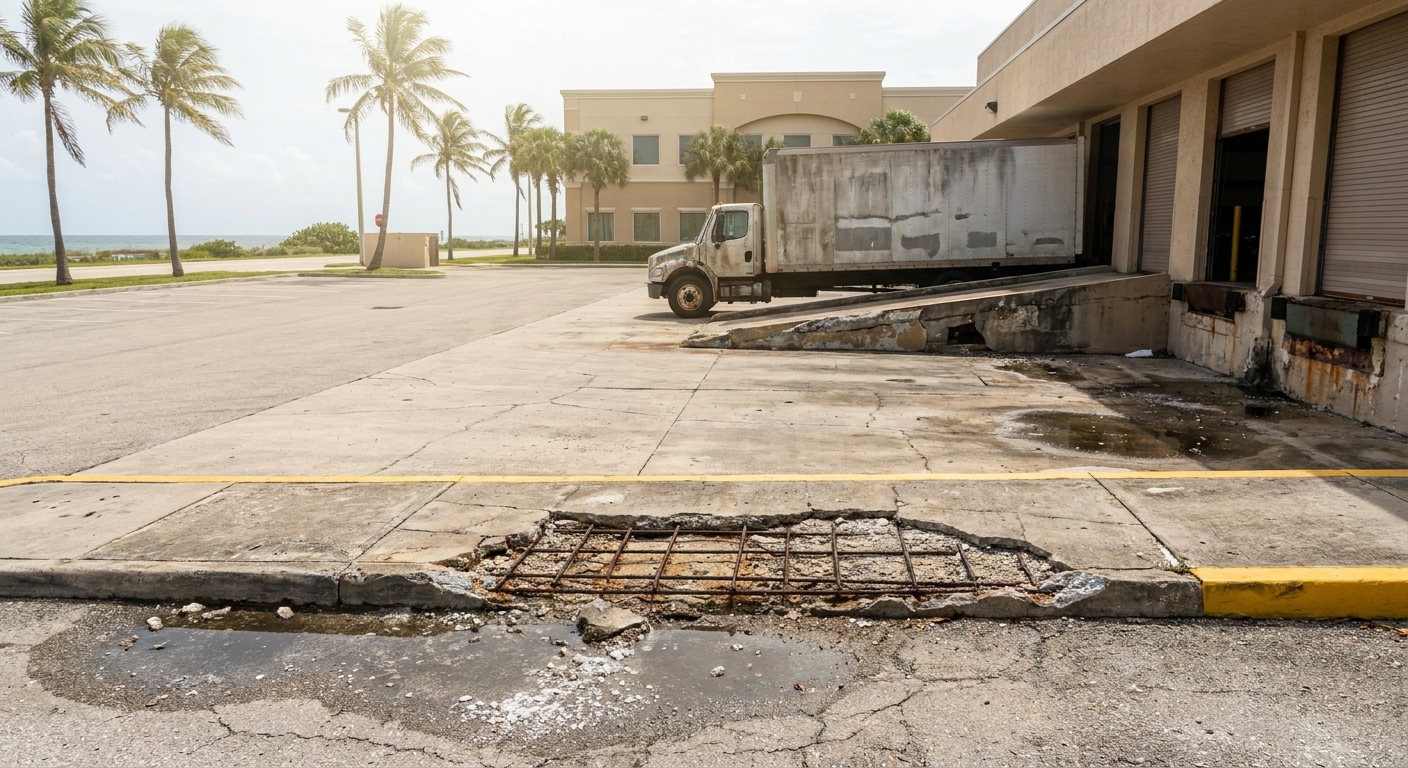
Most people assume concrete lasts decades without intervention. That's true in dry climates with stable weather. But South Florida doesn't offer stable weather. It offers moisture, heat, tropical downpours, and seasonal storms that test every material choice you made during construction. If your concrete wasn't poured right or isn't maintained consistently, you're not looking at minor touch-ups. You're looking at recurring headaches.
Salt Air Eats Through Rebar
Proximity to the Atlantic isn't just a marketing perk. It's a structural liability. The salt-laden breeze that drifts inland doesn't stop at the beach — it settles into every porous surface it can find. Concrete absorbs it. Over time, that salt works its way down to the steel reinforcement inside the slab.
Once it reaches the rebar, corrosion kicks in. The steel expands as it rusts, and that expansion cracks the concrete from the inside out. This process, called spalling, is why you see chunks of concrete popping off loading zones and pillars. It's not age. It's chemistry. And it happens faster here than almost anywhere else in the country.
- Coastal properties see accelerated corrosion within five to seven years if protective coatings weren't applied
- Spalling often shows up first in high-traffic zones like driveways and entryways
- Once rebar is exposed, the damage spreads quickly without intervention
- Sealants and corrosion inhibitors can slow the process, but they need reapplication
- Properties within three miles of the ocean are at highest risk
Humidity Cycles Crack What Salt Doesn't
Even if your building sits inland, the humidity alone creates problems. Palm Beach County averages over 75% relative humidity year-round. Concrete breathes — it absorbs moisture when it's wet and releases it when it's dry. That constant expansion and contraction weakens the surface over time.
Add in the temperature swings between afternoon sun and overnight cool-downs, and you've got a recipe for surface stress. Small cracks form. Water seeps in. The next rain cycle makes them worse. Before long, what looked like a hairline fracture is now a structural concern that needs patching or full replacement. Understanding how weather affects concrete curing can help property owners make better decisions about timing and maintenance.
- Moisture penetration accelerates freeze-thaw damage, even in warm climates with occasional cold snaps
- Cracks wider than a quarter-inch need immediate attention
- Uneven settling often follows moisture intrusion beneath the slab
- Drainage issues compound the problem — standing water is a red flag
- Epoxy injections and polyurethane sealants are the first line of defense
Heavy Traffic Wears Down What Weather Weakens
Commercial properties aren't residential driveways. They take a beating. Delivery trucks, forklifts, constant foot traffic — every load compounds the stress on an already compromised surface. If the concrete wasn't thick enough or the sub-base wasn't compacted properly, you'll see potholes, uneven slabs, and surface degradation within a few years.
Tourist-heavy areas like Palm Beach County see even more strain. Seasonal traffic spikes mean more weight, more wear, and more opportunities for damage to escalate. A crack that's manageable in January becomes a liability by June when the summer rush hits.
- Loading docks and parking lots deteriorate faster than walkways or entryways
- Thin slabs under heavy loads crack within three years on average
- Reinforced concrete with proper rebar placement holds up longer but still needs monitoring
- Regular resurfacing extends lifespan and prevents small issues from spiraling
- Properties with delivery schedules should inspect high-impact zones quarterly
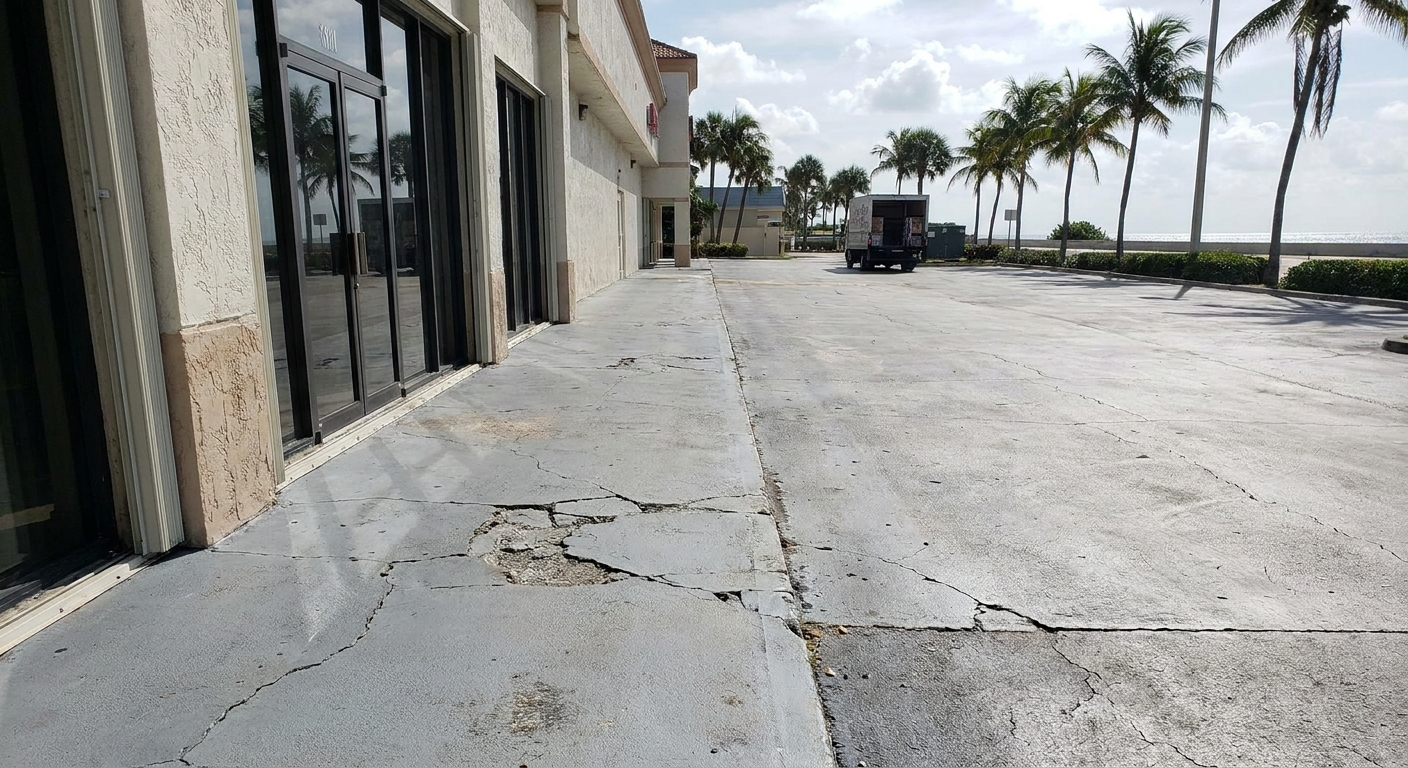
Storm Damage Isn't Always Obvious Right Away
Hurricanes and tropical storms are part of the package in South Florida. Wind and rain are the headline threats, but the real damage often happens below the surface. Flooding erodes the soil beneath concrete slabs. When that base shifts or washes away, the concrete above settles unevenly.
Debris impact is another issue. Flying palm fronds, gravel, even small signs can gouge concrete during high winds. Most property owners inspect roofs and windows after a storm, but the parking lot and foundation? Those get overlooked until someone trips or a vehicle bottoms out on a newly formed dip.
- Post-storm inspections should include all concrete surfaces, not just building exteriors
- Settling cracks may not appear until weeks after floodwaters recede
- Erosion under slabs often shows up as voids or hollow-sounding sections when tapped
- Temporary patches won't hold — full repairs are necessary to prevent further shifting
- Insurance claims require documentation, so photograph everything before you repair
Older Properties Pay the Bigger Price
Modern building codes in Palm Beach County account for humidity, salt exposure, and storm risk. But plenty of commercial buildings went up before those standards tightened. If your property was built in the '80s or '90s, the concrete mix might not have included the corrosion inhibitors or moisture barriers that are standard now.
Older concrete also tends to be thinner and less reinforced. That means it cracks faster, spalls sooner, and requires repairs more often. Retrofitting isn't always cheap, but it's usually cheaper than dealing with recurring failures every few years. Property owners facing these challenges should explore common concrete repair problems that affect buildings throughout the region.
- Pre-2000 construction often lacks modern waterproofing
- Thinner slabs were common before load requirements were updated
- Upgrading drainage systems can reduce moisture-related damage significantly
- Resurfacing with polymer-modified overlays extends life without full replacement
- Properties with outdated concrete should budget for more frequent maintenance
Maintenance Buys You Time and Money
The good news? Most concrete problems are manageable if you catch them early. Regular inspections, prompt sealing of cracks, and proactive drainage management can add years to your slabs and save you from five-figure repair bills down the line. Many commercial property owners benefit from professional concrete grinding services to level uneven surfaces before they become safety hazards.
Waiting until there's a trip hazard or a chunk of concrete missing from your loading dock? That's when costs spiral. Small cracks turn into spalling. Spalling turns into structural instability. And by then, you're not patching — you're replacing entire sections. Professional trip hazard repairs can address liability concerns before they escalate into expensive lawsuits or extensive concrete replacement.
Palm Beach County's climate doesn't give concrete a break. Salt, humidity, storms, and traffic all push commercial surfaces to their limits faster than in most other markets. The repair cycle here is shorter, the risks are higher, and the consequences of ignoring maintenance are more expensive. But the properties that stay ahead of the damage — that seal, inspect, and address issues before they compound — those are the ones that avoid the constant disruption and cost. The concrete doesn't care if you're busy. It just keeps breaking down.
Let’s Protect Your Investment Together
Staying ahead of concrete issues in Palm Beach County takes vigilance and the right team on your side. We understand the unique challenges our climate brings, and we’re ready to help you keep your property safe, functional, and looking its best. If you’re noticing cracks, spalling, or uneven surfaces, let’s talk about solutions that fit your needs and budget. Call us at 561-436-5977 or request a quote today to get started on lasting repairs.
‹ Back
Recent Posts
-
-
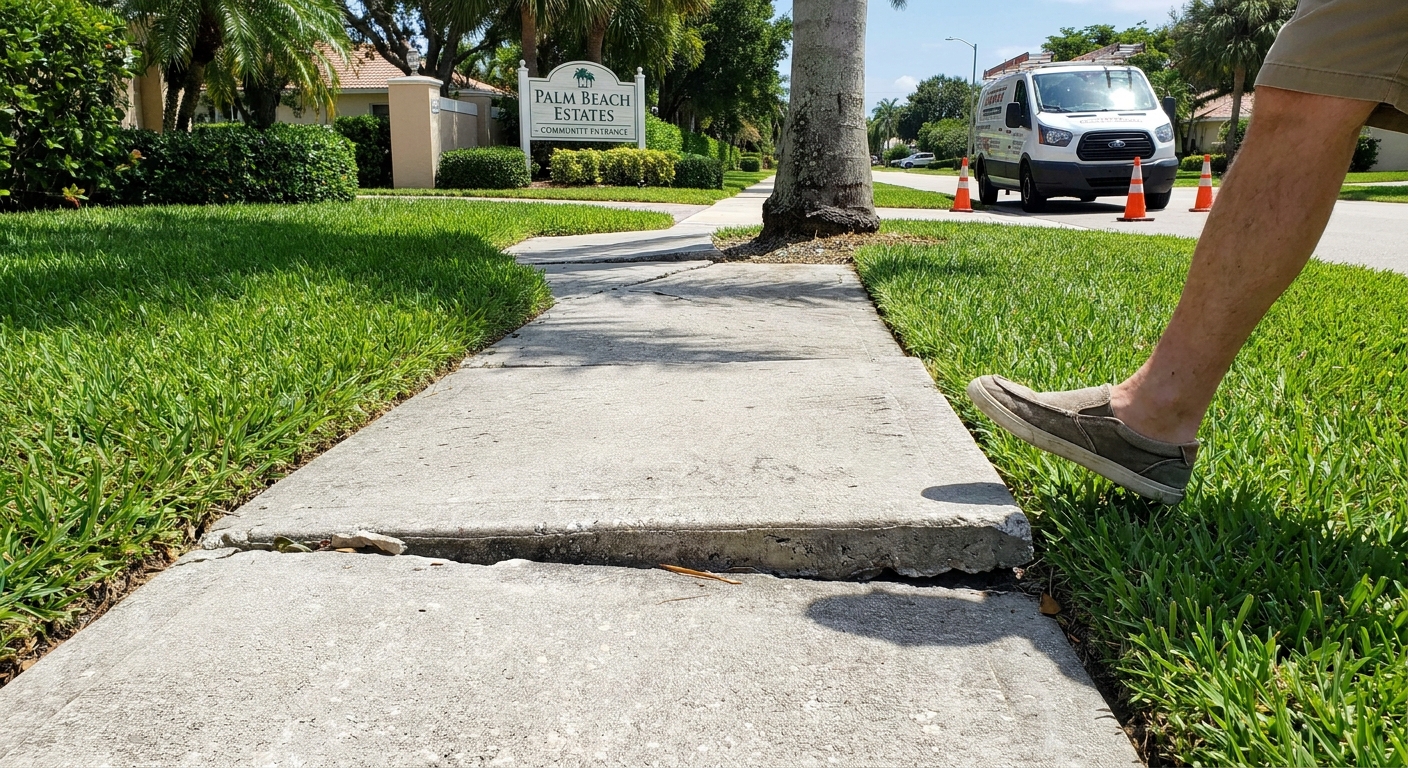
When Should You Schedule Trip Hazard Repairs in Palm Beach County?
October 27, 2026
-
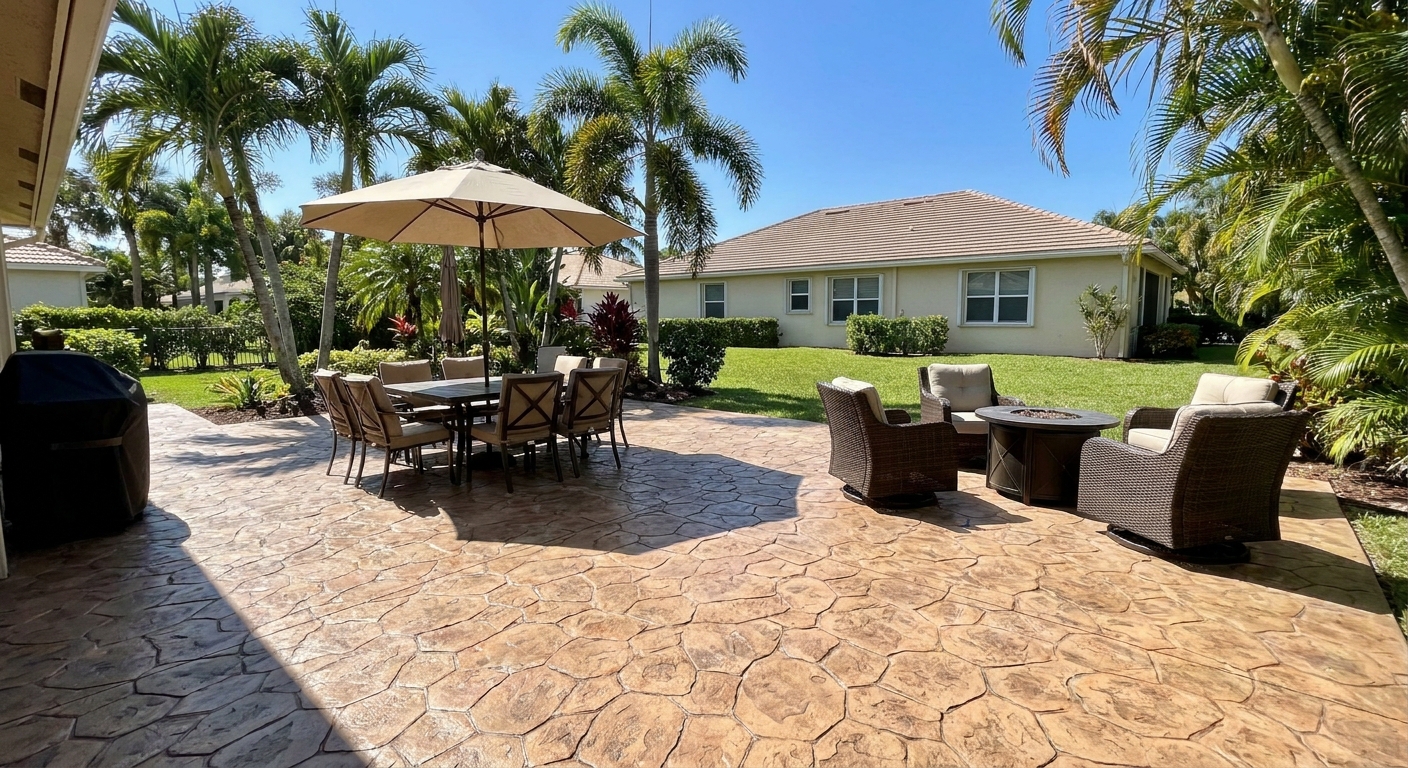
Can a Concrete Patio in Palm Beach County Add Value to Your Home?
October 13, 2026
-
Is Your Pool Deck in Palm Beach County Becoming Slippery?
September 29, 2026
-
How Much Does a New Concrete Driveway in Palm Beach County Cost?
September 15, 2026