

Is Your Pool Deck in Palm Beach County Becoming Slippery?
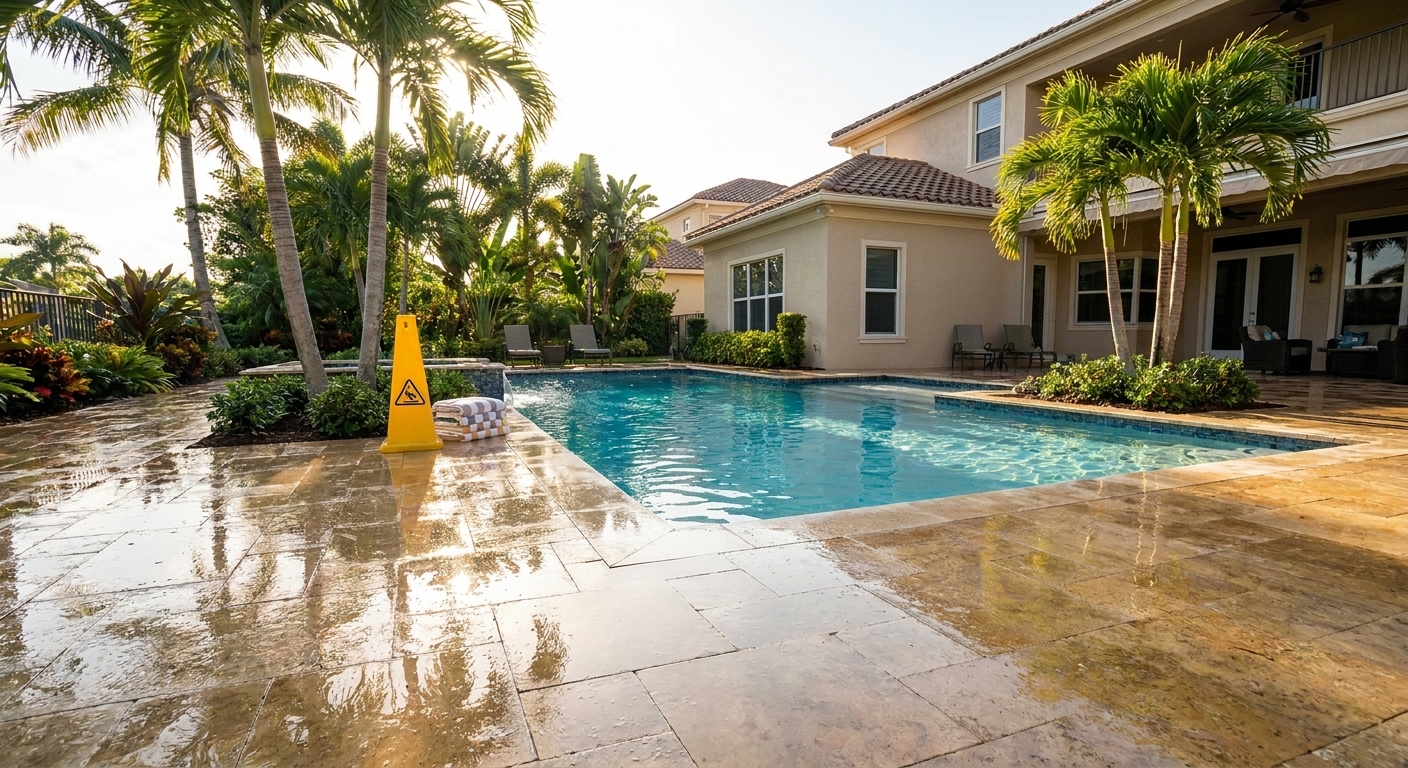
Most pool owners think deck maintenance is about aesthetics. Keep it clean, keep it looking nice. But a slippery surface isn't just unsightly—it's a liability waiting to happen. And if you're ignoring the signs, you're inviting trouble into your backyard. Palm Beach County's climate doesn't help. The heat, the humidity, the constant moisture—it all creates the perfect storm for traction problems.
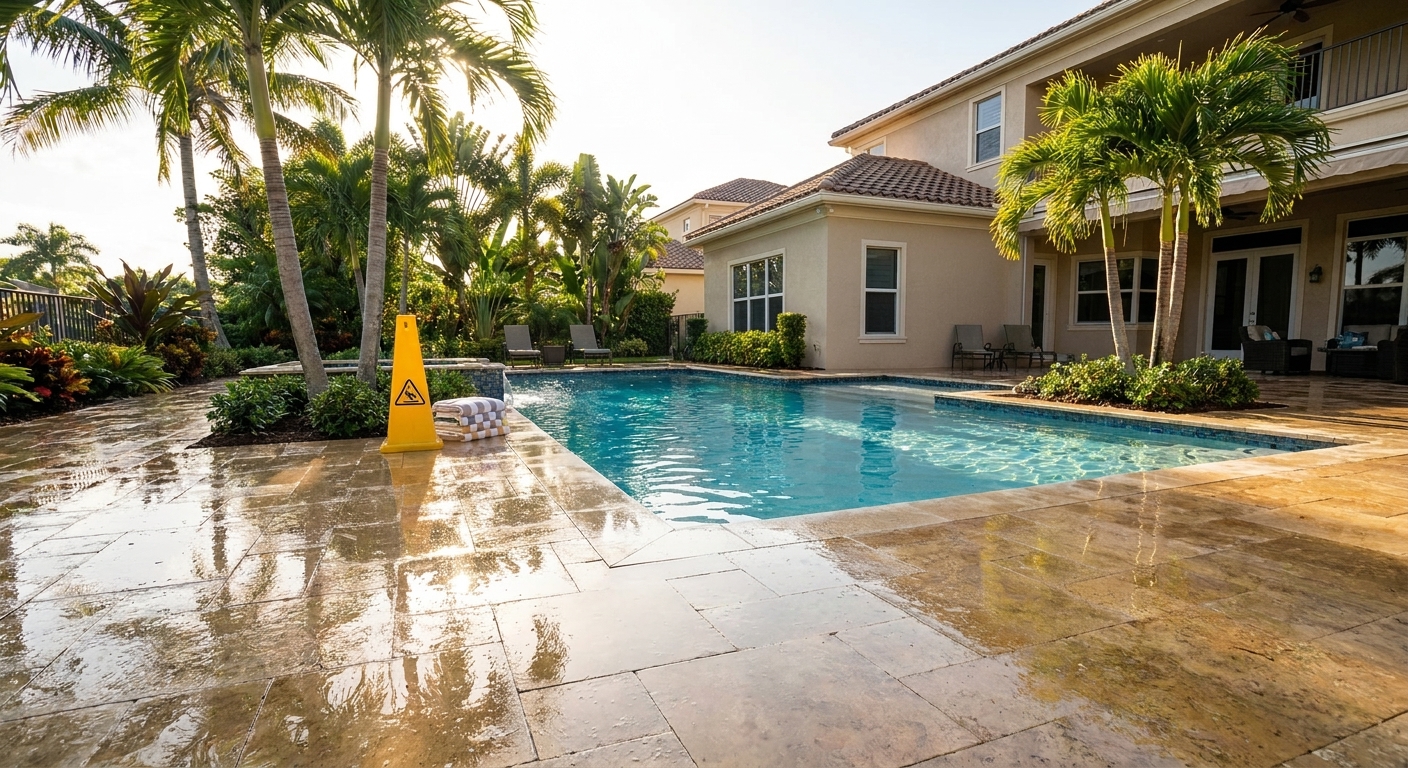
Here's what matters. If water pools on your deck and people are sliding around, that's not normal wear. That's a safety issue that needs fixing now. Every slip-and-fall has the potential to turn into something serious. And every day you wait is another day someone could get hurt on your property.
What Turns a Safe Deck Into a Hazard
The moment your deck loses its grip, the clock starts ticking. We're dealing with a combination of environmental factors that work together to strip away surface texture. South Florida's weather isn't doing you any favors. High humidity keeps surfaces damp longer. Rain adds constant moisture. And the sun? It breaks down protective coatings faster than you'd think.
When organic growth takes hold, it spreads fast. What starts as a small patch can cover entire sections within weeks. Chemical residue from pool water doesn't just evaporate—it builds up, layer by layer, creating a film that reduces friction. And if the original surface treatment has worn down, there's nothing left to grab onto when feet hit wet concrete.
- Organic buildup: Algae and mildew thrive in moist conditions and create a slick biofilm that's nearly invisible until someone slips.
- Chemical deposits: Pool treatments leave behind residues that accumulate over time, smoothing out textured surfaces.
- Surface degradation: Constant foot traffic and UV exposure wear away the texture that once provided traction.
- Poor drainage: Standing water accelerates organic growth and keeps surfaces perpetually wet.
- Incorrect sealants: Some coatings actually make decks more slippery when they get wet, especially cheaper products.
When Safety Becomes Liability
A slick deck isn't just an inconvenience. It's a lawsuit waiting to happen. One bad fall and you're looking at medical bills, insurance claims, and potential legal action. Kids are especially vulnerable—they're running, jumping, and not paying attention to where they step. Elderly family members or guests? Even worse. A slip that might bruise a teenager could put an older adult in the hospital.
Beyond the human cost, there's the financial exposure. Homeowner's insurance will cover some incidents, but repeated claims raise your premiums. And if negligence gets proven—if you knew about the problem and did nothing—coverage might not apply at all. We've seen property owners learn this the hard way.
Spotting the Warning Signs Before Someone Falls
You don't need to wait for an accident to know there's a problem. Your deck will tell you when traction is failing. Sometimes it's obvious—visible slime or a glossy sheen. Other times it's subtle. Your feet feel less stable. You catch yourself more often. Or you notice everyone instinctively slowing down near the pool edge.
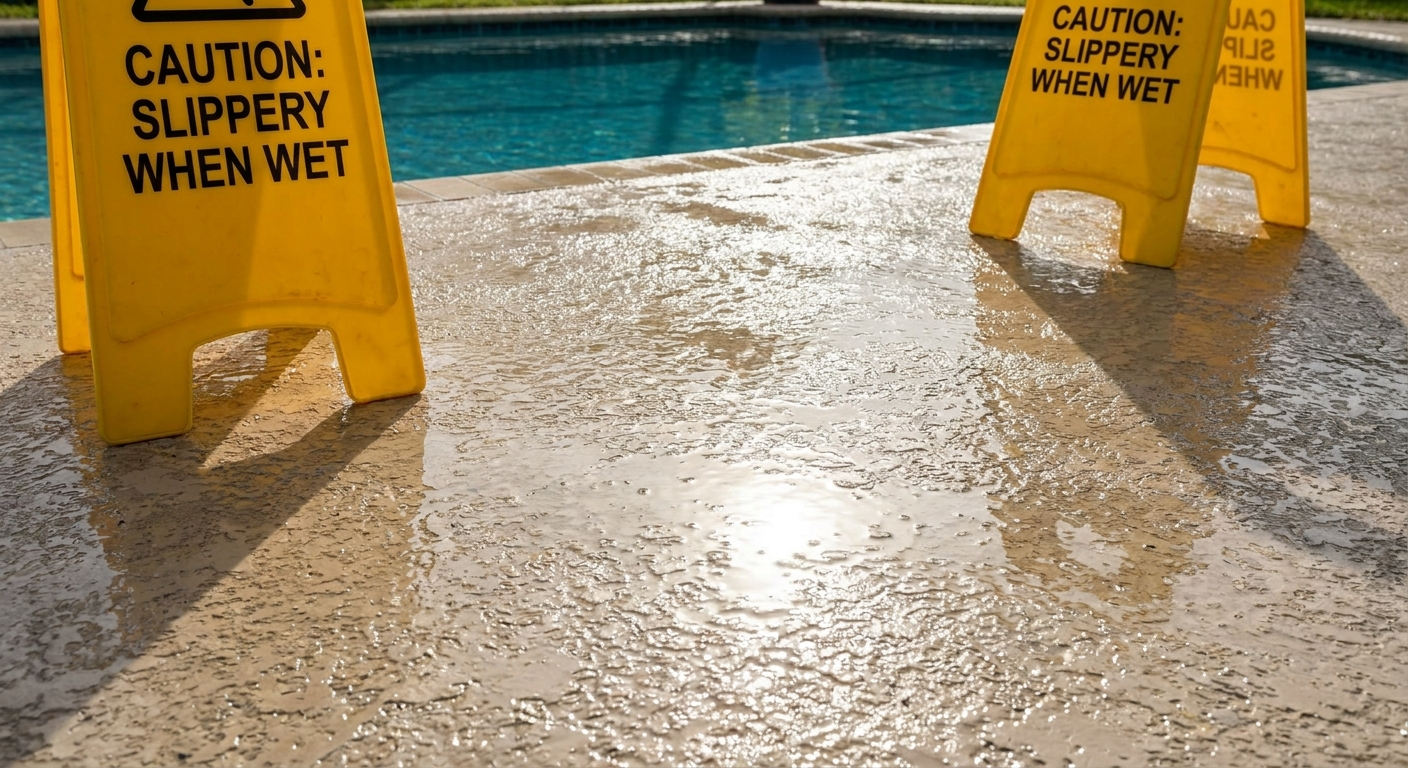
Visual cues matter too. Dark streaks or discoloration usually mean organic growth has taken hold. If water beads up instead of soaking in, that's a sign of surface sealing that's gone wrong. And if your deck used to have a rough texture but now feels smooth, the protective layer has worn through.
- Green, black, or brown patches spreading across the surface
- Glossy appearance when wet that wasn't there before
- Reduced texture when you run your hand across the deck
- Water pooling in areas instead of draining properly
- Increased frequency of near-slips or actual falls
Fixes That Actually Work
Addressing a slippery deck means tackling both the symptoms and the root causes. Concrete grinding and surface cleaning handle the immediate problem. Pressure washing strips away organic growth and chemical buildup. But if you stop there, you're just buying time. The real solution involves restoring or adding traction that can withstand Palm Beach County's climate.
Anti-slip treatments come in different forms—additives mixed into sealers, textured coatings, or grip-enhancing films. The right choice depends on your deck material and how much traction you need. Concrete requires different treatment than travertine. And if the underlying surface is deteriorating, no topical solution will hold up long-term. That's when pool deck resurfacing becomes necessary.
- Deep cleaning: Pressure washing combined with specialized cleaners removes embedded grime and organic matter.
- Traction coatings: Products designed specifically for pool decks add texture without looking industrial or harsh.
- Surface restoration: Applying a new textured layer over worn concrete brings back the original grip.
- Drainage improvements: Regrading or adding channels prevents water from pooling where people walk.
- Sealed protection: The right sealer repels moisture while maintaining surface texture.
Maintenance That Prevents Repeat Problems
Fixing the deck once isn't enough. Without ongoing maintenance, the same issues return within months. Regular cleaning stops organic growth before it spreads. Monthly inspections catch small problems before they become big ones. And reapplying protective treatments on schedule keeps traction consistent year after year.
We recommend establishing a routine that matches your deck's usage and exposure. High-traffic areas need more frequent attention. Sections under tree cover or in constant shade require extra monitoring for algae. And after heavy storms or extended periods of high humidity, a quick check can prevent slickness from taking hold. Understanding how weather affects concrete helps you anticipate maintenance needs throughout the year.
- Weekly sweeping or hosing to remove debris and prevent buildup
- Monthly deep cleaning with appropriate cleaners for your deck material
- Quarterly inspections for signs of wear, damage, or organic growth
- Annual reapplication of anti-slip treatments or sealers
- Immediate attention to any new slick spots as soon as they appear
When DIY Stops Being Smart
Some deck issues you can handle yourself. Others need professional intervention. If you're dealing with widespread slickness, structural damage, or surfaces that keep failing despite treatment, it's time to call someone who knows what they're doing. Professionals have access to commercial-grade products and equipment that work better than retail solutions.
They also know how to diagnose underlying problems that homeowners miss. Poor installation, inadequate drainage, or incompatible products can sabotage even your best efforts. A pro can identify these issues, recommend permanent fixes, and complete the work with warranties that back up the results. That peace of mind is worth the investment when safety is on the line. Addressing trip hazard repairs alongside slippery surfaces creates a comprehensive safety solution.
Protect Your Property and Everyone On It
Taking on deck maintenance isn't optional when traction fails. Using the right approach—and getting help when needed—keeps your pool area safe for everyone who steps foot on it. There's no excuse for letting a known hazard persist when solutions exist. But there's also no forgiveness when someone gets hurt because you waited too long to act. Professional pool deck services provide expert solutions tailored to Palm Beach County's unique climate challenges.
Slippery decks don't fix themselves. The longer you delay, the worse the problem becomes and the higher the risk climbs. We help Palm Beach County homeowners identify traction issues, recommend effective treatments, and connect them with qualified professionals who get the job done right. Because a safe deck isn't just about compliance—it's about protecting the people who matter most. Browse our photo gallery to see the quality results we deliver, and explore our complete range of concrete services designed to enhance safety and durability.
Let’s Make Your Pool Deck Safer Together
We all want our pool areas to be places of fun and relaxation—not worry. If you’ve noticed your deck losing traction or just want peace of mind before the next pool party, let’s take action now. Reach out to us at 561-436-5977 and let’s talk about the best way to restore safety and confidence to your outdoor space. Ready to get started? Request a quote and let’s make your pool deck safe again.
‹ Back
Recent Posts
-
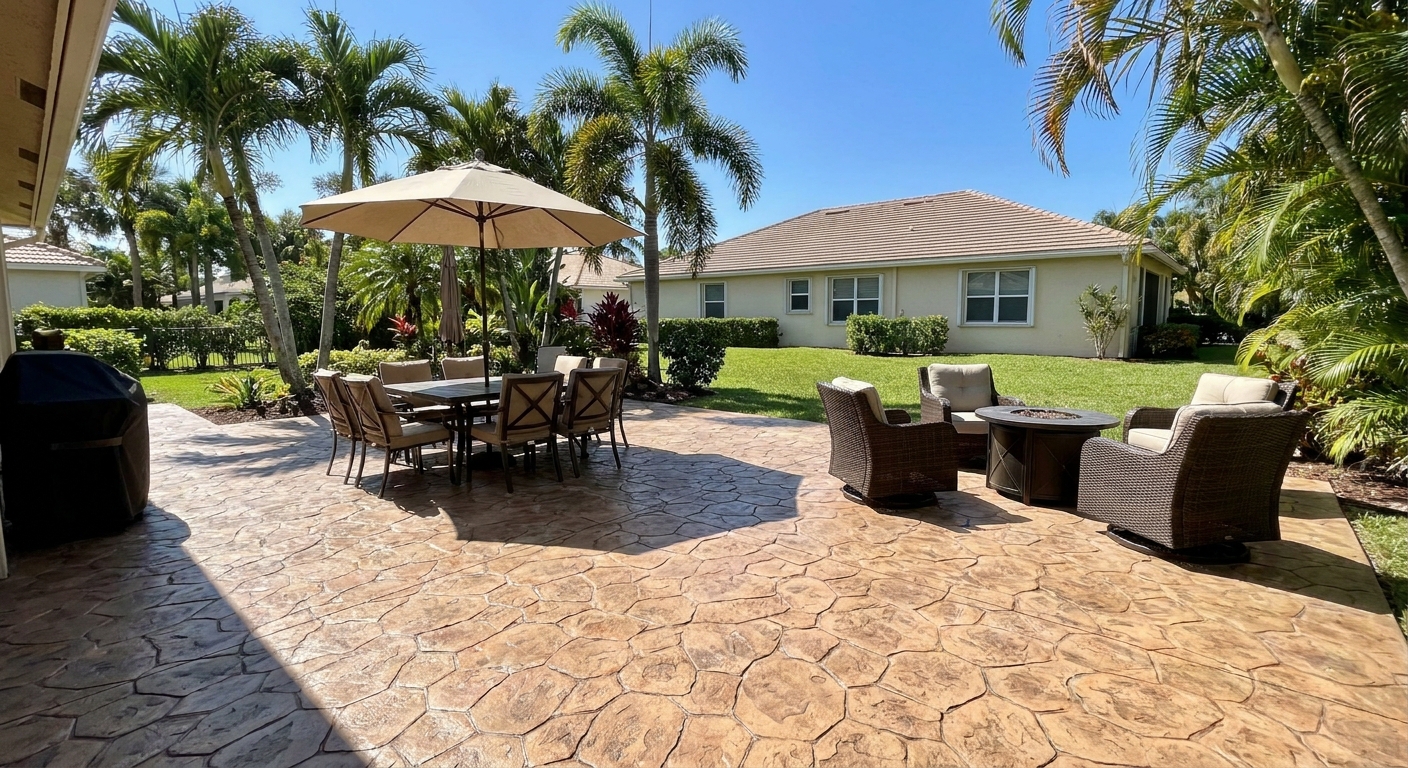
Can a Concrete Patio in Palm Beach County Add Value to Your Home?
October 13, 2026
-
Is Your Pool Deck in Palm Beach County Becoming Slippery?
September 29, 2026
-
How Much Does a New Concrete Driveway in Palm Beach County Cost?
September 15, 2026
-
Can Concrete Grinding Make Walkways in Palm Beach County Safer?
September 1, 2026
-