


How Concrete Leveling Helps Palm Beach County Businesses Keep Walkways Smooth
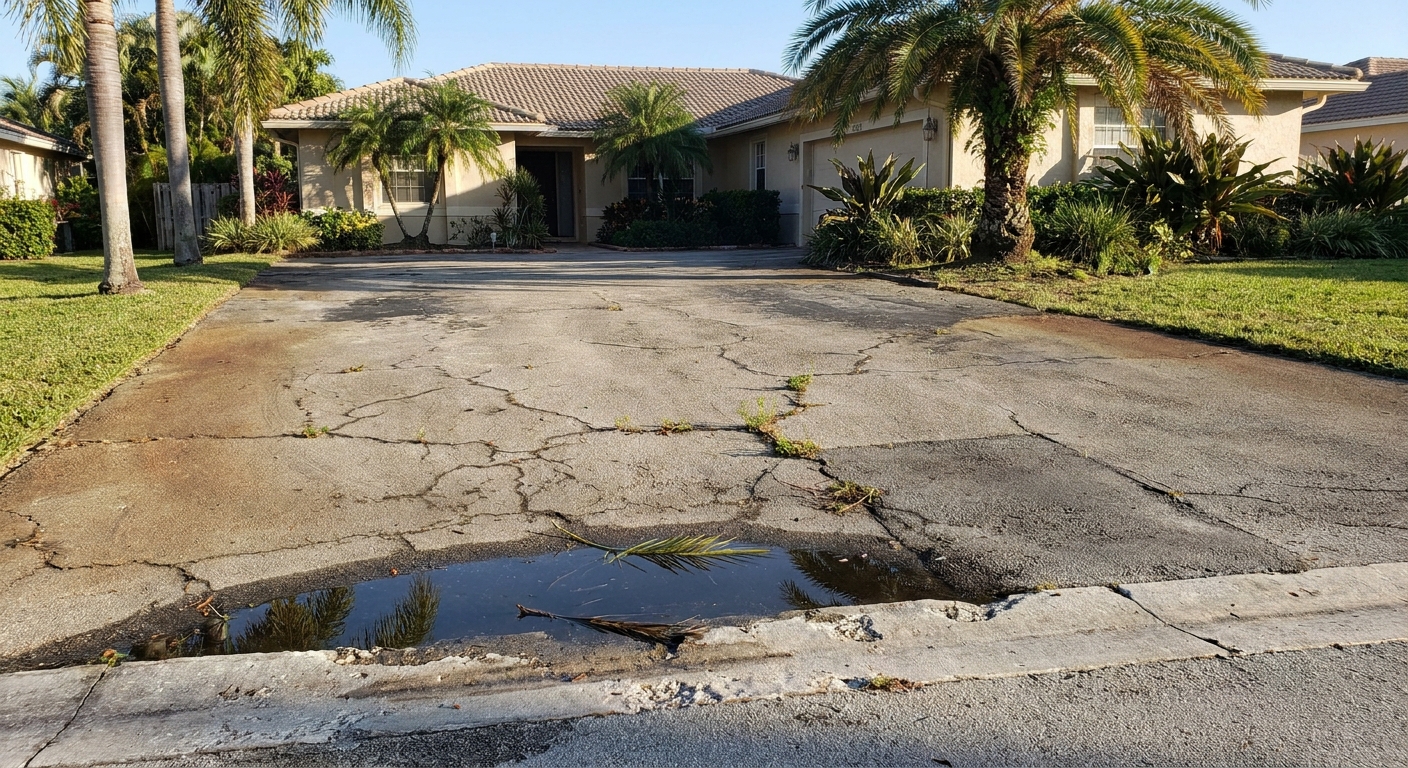
Most business owners think concrete is just there. Solid, permanent, done. But in Palm Beach County, that slab you poured five years ago is already moving. Soil shifts. Water erodes. Tree roots push. And before you know it, your front walkway looks like a liability waiting to happen. Uneven concrete isn't just ugly—it's a lawsuit risk, an ADA violation, and a signal to customers that maybe you don't have your act together.
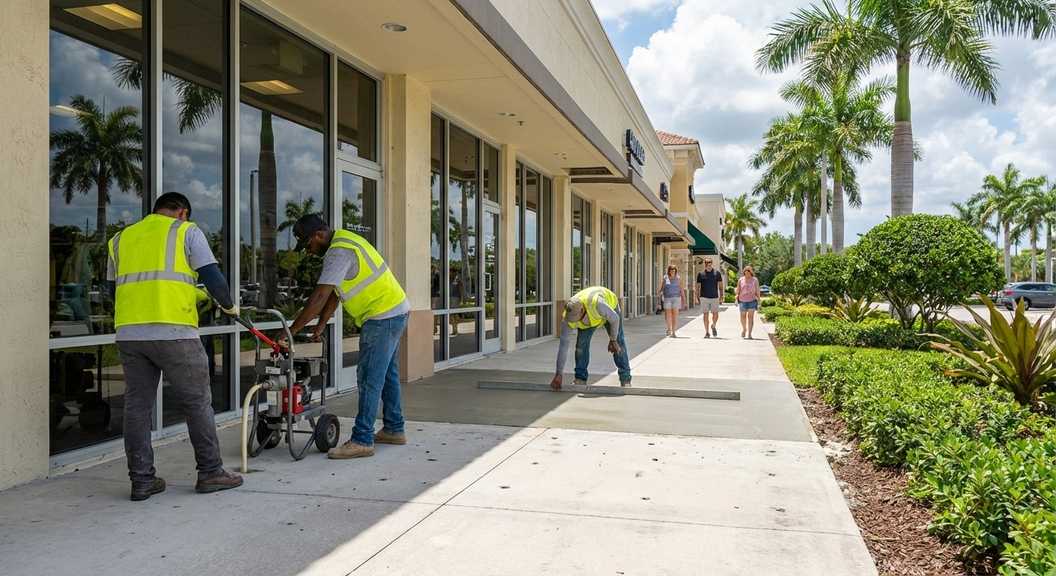
So here's the reality. If your walkways are sinking or cracking, you've got options. Rip it all out and start over, or level what's already there. One costs a fortune and shuts you down for days. The other takes hours, costs a fraction, and gets you back to business. We're not saying concrete leveling is magic—but it's close enough when the alternative is tearing up your parking lot.
What Leveling Actually Does
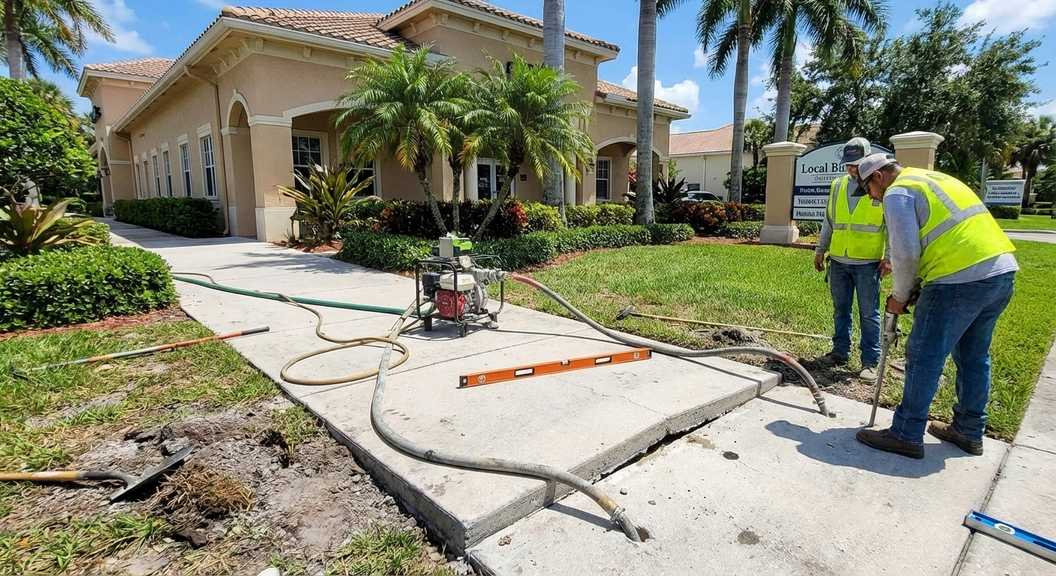
Concrete leveling—sometimes called slabjacking or mudjacking—lifts sunken slabs back where they belong. Technicians drill small holes, pump material underneath, and raise the concrete to its original height. No demolition. No massive equipment tearing through your property. Just precision work that fixes the problem without creating ten new ones.
The process is straightforward, but the results matter. A level walkway means customers aren't tripping. It means wheelchairs and strollers roll smoothly. It means water drains properly instead of pooling near your entrance. And it means you're not replacing concrete every few years because the ground underneath keeps settling.
Why Palm Beach County Walkways Sink in the First Place
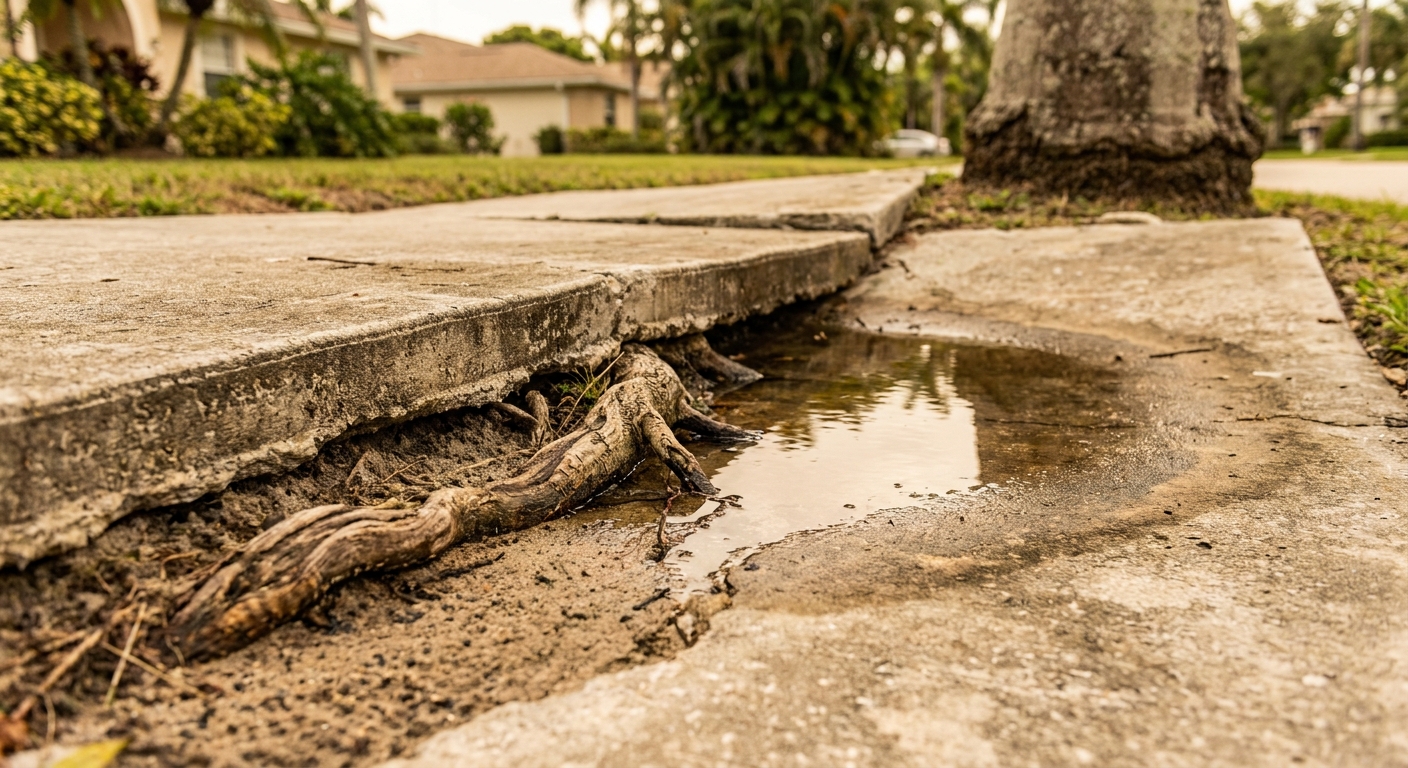
Blame the climate. Heavy rain saturates the soil, washing away support beneath your slabs. Then the sun bakes everything dry, causing contraction. Add in sandy soils that shift easily, and you've got a recipe for movement. Tree roots don't help either—they grow under concrete and push it up or crack it apart.
Most commercial properties see settling within the first few years. It's not a question of if, but when. And once one section drops, the rest follows. Water finds the low spots, erosion accelerates, and suddenly your main entrance looks like a skateboard park. Except nobody's skating—they're stumbling.
The Real Cost of Ignoring Uneven Concrete
Trip-and-fall claims aren't cheap. Neither are ADA compliance fines. But beyond the legal exposure, there's the reputational hit. Customers notice cracked walkways. They notice puddles that never drain. They notice when your property looks neglected, and they make assumptions about how you run your business.
We've seen businesses lose foot traffic because their entrance felt unsafe. We've seen landlords scramble to fix walkways after a tenant complained. And we've seen property managers get stuck with emergency repairs that could've been handled proactively for half the cost. Waiting doesn't save money—it just makes the problem worse.
Why Leveling Beats Replacement Every Time
- Speed: Most leveling jobs finish in hours, not days. Your business stays open, customers keep coming, and you're not losing revenue to construction downtime.
- Cost: Leveling typically runs 50-70% less than full replacement. You're fixing the issue without blowing your maintenance budget.
- Durability: Modern leveling materials are engineered for Florida's climate—heat, humidity, and heavy rain don't faze them.
- Minimal Disruption: No jackhammers. No dumpsters. No weeks of blocked-off areas. Just targeted repairs that don't turn your property into a construction zone.
- Environmental Impact: Reusing existing concrete means less waste in landfills and fewer new materials hauled in. It's the smarter choice for businesses that care about sustainability.
What Good Leveling Looks Like
Not every contractor knows what they're doing. Some use outdated materials that break down in months. Others rush the job and leave you with uneven patches that settle again. The pros take time to assess soil conditions, identify why the slab sank, and inject the right amount of material to stabilize it long-term.
You'll want a contractor who uses polyurethane foam or high-density slurry—both hold up better than old-school mud. You'll want someone who guarantees their work and has a track record with commercial properties. And you'll want clear communication about what's happening, how long it takes, and what you're paying for. No surprises, no upselling, no excuses.
When to Call for Leveling
- Visible Gaps: If you can see daylight under your slab edges, the concrete has separated from the base.
- Pooling Water: Water that collects after rain means the surface isn't draining—usually because it's no longer level.
- Cracks Widening: Small cracks turn into big ones when the slab keeps moving. Catch it early.
- Trip Hazards: Any height difference over a quarter inch is a liability. Don't wait for someone to fall.
- Door or Gate Issues: If doors scrape or gates won't close, the concrete around them has likely shifted.
How to Avoid Future Settling
Leveling fixes the symptom, but you've got to address the cause. Proper drainage is critical—gutters, downspouts, and grading should direct water away from walkways. Tree roots need management too. If a root system is pushing up concrete, trimming or installing root barriers can prevent future damage.
Regular inspections help catch problems before they escalate. Walk your property every few months. Look for cracks, gaps, or areas where water pools. If you spot something, get it checked. A small repair now beats a major overhaul later.
What Happens If You Skip Maintenance
- Liability Exposure: One fall can cost you tens of thousands in legal fees and settlements.
- ADA Violations: Uneven surfaces violate accessibility standards. Fines and lawsuits follow.
- Customer Perception: Cracked walkways signal neglect. People notice, and they judge.
- Escalating Costs: Small cracks become big breaks. Minor settling becomes major structural issues. Waiting costs more.
- Operational Disruption: Emergency repairs shut down access. Planned maintenance doesn't.
Finding the Right Contractor in Palm Beach County
Experience matters. Look for contractors who've worked on commercial properties, not just residential driveways. Ask for references. Check reviews. Make sure they're licensed and insured—because if something goes wrong, you don't want to be on the hook.
Get a detailed estimate that breaks down materials, labor, and timeline. Avoid anyone who gives you a ballpark figure over the phone without seeing the site. And don't just go with the cheapest bid—quality work costs a bit more, but it lasts. Cutting corners now means paying twice later.
Why We Push Businesses to Act Now
Concrete doesn't fix itself. It only gets worse. Every rainstorm washes away more soil. Every hot day expands and contracts the slab. Every customer who trips is a potential claim. We've seen too many businesses wait until the damage is severe, then scramble to patch things together under pressure.
Leveling works best when the problem is still manageable. Catch it early, and you're looking at a quick fix with minimal cost. Wait too long, and you might need full replacement anyway. The smart move is obvious—inspect regularly, address issues promptly, and keep your walkways smooth before they become a problem you can't ignore. Professional concrete grinding can also help smooth out uneven surfaces and extend the life of your slabs. For properties with outdoor entertainment areas, maintaining a level concrete patio prevents water pooling and keeps guests safe. Similarly, businesses with pool areas should prioritize pool deck maintenance to avoid slip hazards. Addressing trip hazard repairs promptly protects both customers and your bottom line. To see examples of quality concrete work, visit our photo gallery showcasing completed projects throughout Palm Beach County.
Let’s Keep Your Walkways Safe and Welcoming
We know how important it is for your business to make a great first impression and keep everyone safe from the moment they step onto your property. If you’ve noticed uneven concrete or want to prevent future issues, let’s tackle it together before it becomes a bigger problem. Give us a call at 561-436-5977 or request a quote and we’ll help you keep your walkways smooth, safe, and ready for business.
‹ Back
Recent Posts
-
How Much Does a New Concrete Driveway in Palm Beach County Cost?
September 15, 2026
-
Can Concrete Grinding Make Walkways in Palm Beach County Safer?
September 1, 2026
-
-
-
Why Does Concrete in Palm Beach County Become Uneven?
July 21, 2026